

RTP y Volatilidad Explicados: Cómo Elegir la Tragamonedas Perfecta para tu Saldo
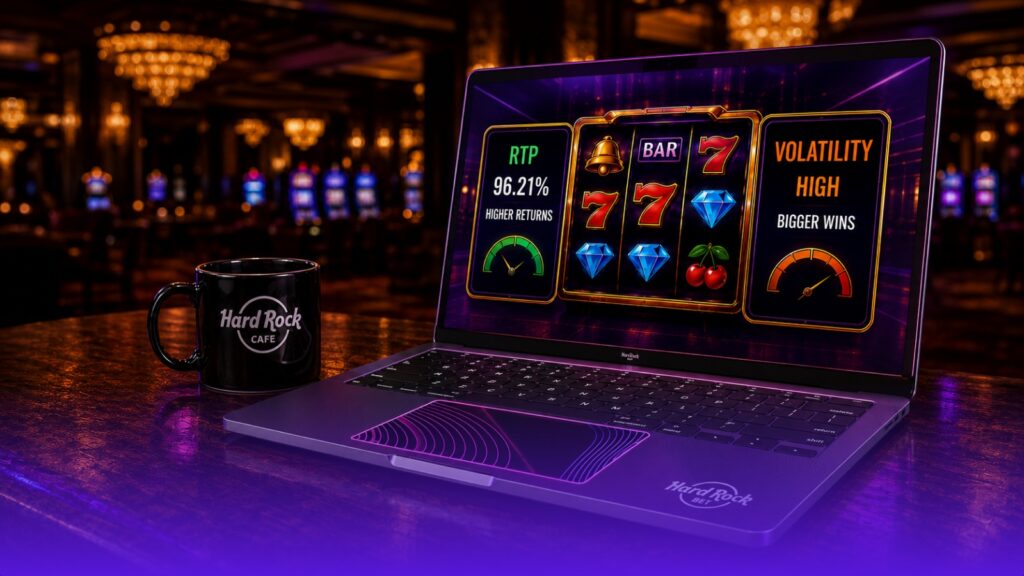
Seguramente has visto “RTP 96.5%” impreso en la pantalla de información de una tragamonedas y asentiste como si supieras qué significaba. Sé honesto. La mayoría de los jugadores no lo saben, no en realidad. ¿Y la volatilidad? Aún más confusa. Estos dos números en realidad deciden si tu saldo dura una hora o se evapora en quince minutos, así que vamos a explicarlos bien.
¿Qué es el RTP y Cómo Funciona Realmente?
RTP significa Return to Player (Retorno al Jugador). Es el porcentaje de todo el dinero apostado que una tragamonedas devuelve con el tiempo. Muchísimo tiempo. Estamos hablando de millones de giros, no de tu sesión de martes en la noche.
Las Matemáticas Detrás del Retorno al Jugador
Aquí está la versión simple. Una tragamonedas con RTP del 96% significa que por cada $100 MXN apostados a lo largo de millones de giros, el juego devuelve $96 MXN en promedio. La casa se queda con $4 MXN. Esos $4 MXN son la ventaja de la casa.
Ahora bien, eso no significa que te sientas con $100 MXN y te vayas con $96 MXN. Esa es la trampa. El número es un promedio sacado de un tamaño de muestra absurdo, no una política de reembolso.
Los rangos típicos de RTP se ven más o menos así:
- 94% a 96% – la banda promedio donde vive la mayoría de las tragamonedas en línea
- 97%+ – tragamonedas con RTP alto, generalmente vale la pena verlas de cerca
- Por debajo del 92% – poco valor, a menudo se encuentran en máquinas físicas o tragamonedas de marca con costos de licencia inflados
RTP Teórico vs. Real: Por Qué tu Sesión No Va a Coincidir con el Número
El RTP teórico son las matemáticas que el desarrollador programa en el juego. El RTP real es lo que tú experimentas personalmente durante tus sesiones, y esas dos cosas pueden ser tremendamente diferentes a corto plazo.
Gira una tragamonedas con RTP del 96% unas 200 veces y podrías terminar con un retorno del 60%. O del 140%. La varianza es brutal en muestras pequeñas. El RTP publicado solo se estabiliza después de cientos de miles de giros, algo que ningún jugador individual alcanzará jamás en un solo juego.
Así que trata el RTP como un indicador de valor a largo plazo, no como una predicción de sesión. Te dice qué tragamonedas te dan un trato más justo matemáticamente, nada más.
La Volatilidad de las Tragamonedas Explicada: El Factor de Riesgo que el RTP No te Dice
Si el RTP es el “cuánto”, la volatilidad es el “cómo”. Dos tragamonedas pueden tener ambas un RTP del 96% y sentirse como juegos completamente diferentes. Una suelta pequeñas ganancias constantemente. La otra se queda en silencio por siglos y luego suelta un golpazo.
Volatilidad Baja, Media y Alta Comparadas
La volatilidad (a veces llamada varianza) mide cómo se distribuyen las ganancias. Volatilidad baja = ganancias pequeñas frecuentes. Volatilidad alta = ganancias grandes poco frecuentes. La media queda en el medio, haciendo ambos trabajos más o menos.
Ejemplos rápidos del mundo real:
- Starburst (volatilidad baja) – las ganancias pequeñas caen todo el tiempo, la ganancia máxima es modesta con 500x tu apuesta
- Gonzo’s Quest (volatilidad media) – ritmo balanceado, ganancia máxima alrededor de 2,500x
- Dead or Alive 2 (volatilidad alta) – largos tramos secos, pero el bono high noon ha pagado 100,000x la apuesta. Sí, en serio.
Cómo Afecta la Volatilidad la Frecuencia de Aciertos y el Tamaño de los Pagos
Imagina una sesión de 100 giros a $1 MXN por giro en cada una.
En Starburst, probablemente acertarás algo en aproximadamente una cuarta parte de los giros. La mayoría de las ganancias son de 0.4x a 2x tu apuesta. Es probable que termines la sesión dentro de $20 MXN de donde empezaste, ganes o pierdas. ¿Aburrido? Tal vez. ¿Estable? Definitivamente.
En Gonzo’s Quest, acertarás con menos frecuencia, pero las ganancias en cascada pueden acumularse bien. Una ronda de bono podría duplicar tu saldo.
En Dead or Alive 2, podrías pasar 80 giros con casi nada. Tus $100 MXN podrían reducirse a $30 MXN. Luego cae un disparador de giros gratis y de repente estás arriba $400 MXN. O te quiebras antes de que caiga. Ambos resultados son normales.
Ese es el intercambio. Las tragamonedas de alta volatilidad castigan los saldos pequeños y recompensan la paciencia. Las tragamonedas de baja volatilidad son más amigables pero el techo es mucho más bajo.
Mitos Comunes Sobre el RTP y la Volatilidad – Desmentidos
Estas cosas se malinterpretan constantemente, incluso por jugadores que llevan años en esto. Aclaremos a los peores infractores.
Ganancias “Merecidas” y Tragamonedas Calientes/Frías
El mito de la “está por pagar” es el grande. La idea de que una tragamonedas que no ha pagado está “lista” para soltar una gran ganancia. No. Las tragamonedas funcionan con Generadores de Números Aleatorios, y cada giro es independiente del anterior. La máquina no tiene memoria. No sabe que ha estado fría. No te debe nada.
Lo mismo aplica al revés: una tragamonedas que acaba de pagar grande no está “drenada”. Cada giro es un evento de probabilidad nuevo. Tratar a las tragamonedas como si tuvieran estados de ánimo es como la gente pierde más persiguiendo patrones que no existen.
¿El Tamaño de la Apuesta Afecta el RTP?
En su mayoría, no. En casi todas las tragamonedas modernas, el RTP se mantiene igual ya sea que apuestes $0.20 MXN o $20 MXN por giro. El porcentaje está integrado en la lógica del juego.
Una excepción: algunas tragamonedas de jackpot progresivo requieren una apuesta máxima para calificar al premio mayor. En esos casos, apostar menos técnicamente reduce tu RTP efectivo porque quedas excluido del nivel de pago más grande. Lee la pantalla de reglas si los jackpots te importan.
Y un mito más que vale la pena aplastar: un RTP alto no significa ganancias fáciles. Una tragamonedas con RTP del 98% y alta volatilidad puede vaciar tu saldo mucho más rápido que un juego con RTP del 94% y baja volatilidad. El RTP mide el valor a largo plazo, no la comodidad a corto plazo. No confundas los dos.
Cómo Elegir la Tragamonedas Adecuada para tu Saldo: Un Árbol de Decisiones
Bien, la teoría está lista. Ahora la parte práctica: elegir de verdad un juego que se ajuste a lo que tienes y a lo que quieres.
Ajusta la Volatilidad al Tamaño de tu Saldo
Regla general que la mayoría de los jugadores experimentados siguen:
- Tragamonedas de alta volatilidad – apunta a un saldo mínimo de 100 a 200x el tamaño de tu apuesta. ¿Quieres jugar giros de $1 MXN en Dead or Alive 2? Trae al menos $100 MXN, idealmente $200 MXN.
- Volatilidad media – de 75 a 100x tu apuesta
- Volatilidad baja – de 50 a 100x tu apuesta funciona bien
Financiar de menos una tragamonedas de alta volatilidad es la forma más rápida de sentirte estafado por un juego que solo está haciendo exactamente lo que fue diseñado para hacer.
Ajusta el RTP y las Características a tu Objetivo
Aquí hay un árbol de decisiones simple. Pregúntate qué es lo que realmente quieres de la sesión:
- ¿Liberar un bono o cumplir requisitos de apuesta? Ve por baja volatilidad, RTP alto. Quieres sobrevivir, no fuegos artificiales.
- ¿Persiguiendo una gran ganancia? Alta volatilidad. Acepta los tramos secos.
- ¿Solo quieres diversión, características, rondas de bono? Volatilidad media. Lo mejor de ambos mundos.
- ¿Saldo ajustado, solo quieres tiempo de juego? Baja volatilidad, RTP por encima del 96%.
Y revisa de verdad la pantalla de información dentro del juego antes de girar. Normalmente está detrás del ícono de menú o del botón “i”. Tanto el RTP como la volatilidad están listados ahí en la mayoría de las tragamonedas confiables, aunque algunos estudios molestamente solo describen la volatilidad con palabras vagas como “media-alta”.
Para Cerrar
El RTP, la volatilidad y el saldo no son tres cosas separadas en las que pensar. Son una sola decisión. El RTP te dice el valor a largo plazo. La volatilidad te dice la experiencia. Tu saldo decide en cuáles experiencias puedes de verdad darte el lujo de quedarte.
Elige una tragamonedas donde los tres coincidan con lo que quieres de la sesión, y dejarás de sentir que los juegos son máquinas de castigo aleatorio. Siguen siendo aleatorios. Pero al menos ahora estás eligiendo el tipo de aleatorio correcto para ti.